
Services
General Health
Well Health Checks
Blood Pressure Monitoring
Family Planning
Minor Surgery
Asthma and Diabetes Management
Immunisations
Health Education and Support
Nutritional Advice
Health Education Programmes
Mental Health Support
Sexual Health Services
Community and Whānau Support
Community Connection Service
Measles
Outbreak
Measles is a serious and highly contagious disease. It makes most people very sick and can cause severe complications, including damage to the lungs (pneumonia), brain swelling (encephalitis), and sometimes death. Measles also affects your immune system, so if you get measles you are more likely to get other infectious illnesses for months or years afterwards.
Aotearoa New Zealand is at a very high risk of a measles outbreak. Measles cases are rising worldwide, increasing the risk of an infected person bringing measles into the country. This is happening while a decline in local childhood immunisation rates is being recorded.
Across Aotearoa, people’s immunity to measles is currently too low to prevent outbreaks from happening.
A person can be infectious before they develop measles symptoms and know they are sick. So you may not know if or when you have been — or will be exposed to the disease.
Information for people who may have measles
Immunisation
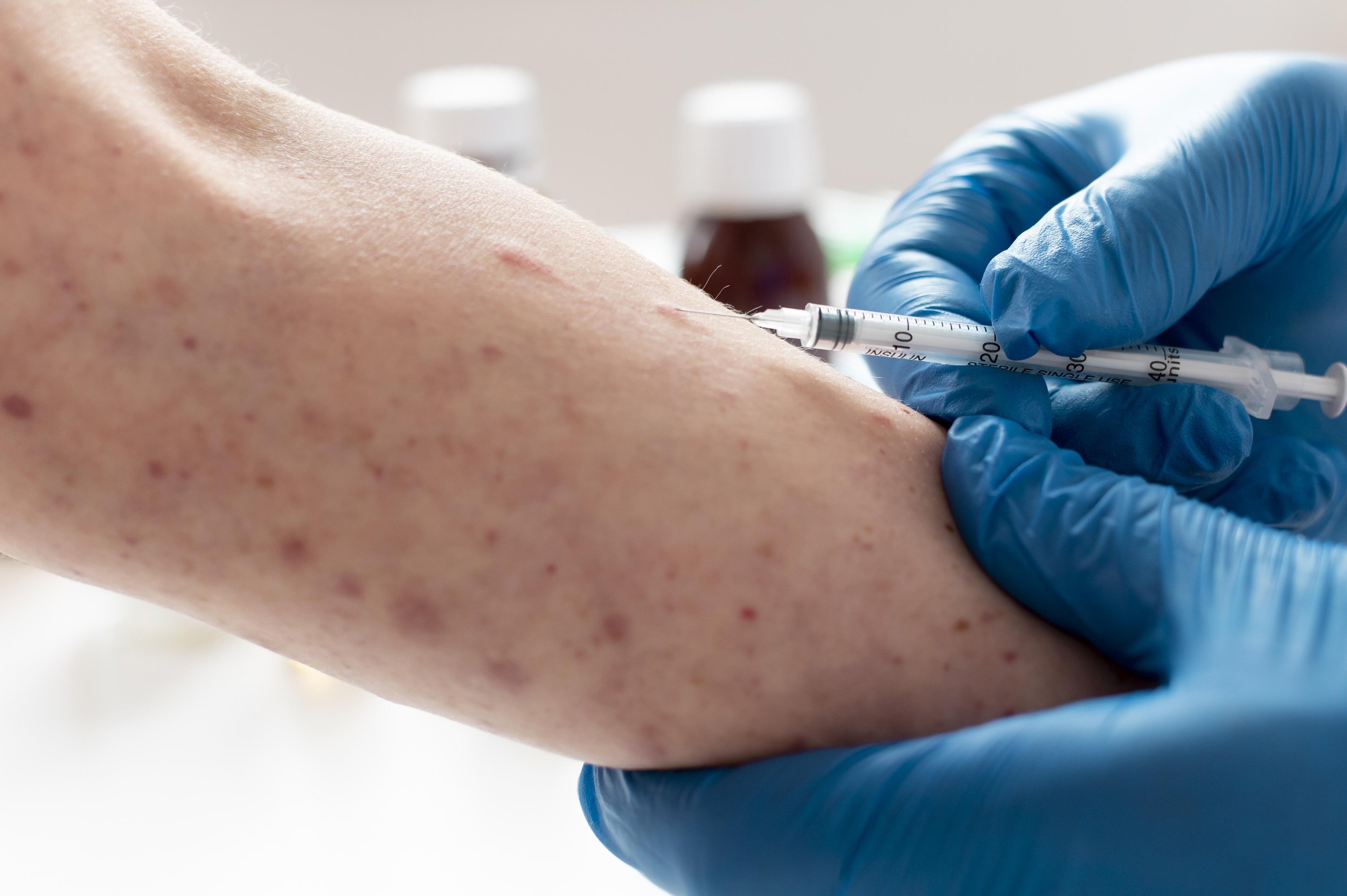
Two doses of the MMR (Measles, Mumps and Rubella) vaccine gives 99% protection against measles. It is at 12 and 15 months of the childhood immunisation schedule, and offers protection to Tamariki when they are most vulnerable to complications and hospitalisation from measles. If you haven’t had both doses, or you’re not sure, it’s not too late to catch up and get protected, even one dose will give you 90% protection.
Measles Symptoms
-
fever (a temperature of at least 38°C)
cough
runny nose
sore, red eyes
rash.
-
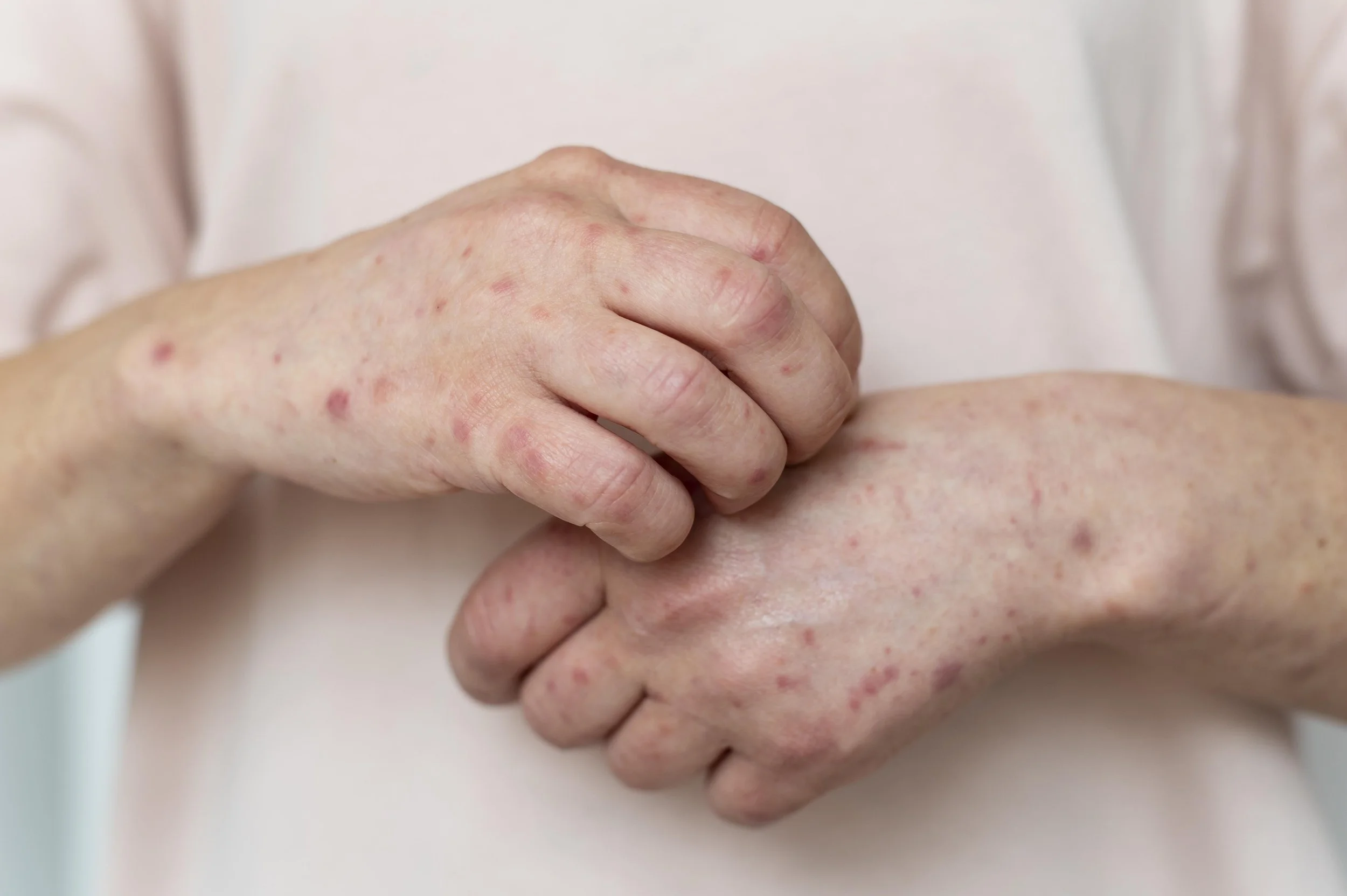
The rash develops 3 to 5 days after the other symptoms. The rash appears as pink or red spots or bumps which start on the face before moving down the rest of the body. The rash may be more difficult to see on darker skin. The rash is not usually itchy. It can last for a week or more.Description text goes here
-
Measles symptoms usually start within 10 to 14 days after you are first exposed to the virus. They can start anytime between 7 to 21 days.
-
Complications are common, and 1 out of 3 people with measles will be sick enough to need hospital care. Complications include:
ear infections
runny poos (diarrhoea)
lung infections (pneumonia)
swelling of the brain (encephalitis) — this is rare but can cause permanent brain damage or death
Measles FAQ
Identifying measles and what to do
You can read more about measles on Healthify at Measles | Healthify
Symptoms can take 7-10 days to appear, and include fever, runny or blocked nose, cough, loss of appetite, sore and watery pink eyes and even white spots in your mouth. Following symptoms developing, those with measles will then develop a rash.
If you do think you have measles, please call your primary care provider or Healthline on 0800 611 116 before going in person. They can guide you on next steps to help support you and your whānau, whilst keeping staff and other patients safe. Measles is highly contagious.
-
If you are unsure if you or your child has had two immunisations, you can check:
Your Tamariki Ora/Well Child/Plunket book
Vaccination Helpline free phone 0800 28 29 26
Immunisations – My Health Record | Health New Zealand – Te Whatu Ora – a parent named on NZ birth certificate can sign up and view immunisation records for tamariki under 12
Call and talk with your medical centre or primary health care provider
-
You can get an immunisation via your medical centre or a vaccinating pharmacy and some community health services. You can book online using book my vaccine, with many community clinics and pharmacies offering walk-up no booking required appointments. A full list of providers is in the Healthpoint link.
Measles / Mumps / Rubella (MMR) vaccine • Wellington • Healthpoint (Wellington)
Measles / Mumps / Rubella (MMR) vaccine • Hutt • Healthpoint (Te Awakairangi Hutt Valley)
Measles / Mumps / Rubella (MMR) vaccine • Wairarapa • Healthpoint (Wairarapa)
Book an appointment with your primary care provider.
-
Talk to your health provider or vaccinating pharmacy. If you don’t have any health reason that MMR shouldn’t be given and your history can’t be located then in most cases an extra dose of vaccine is the recommended option to make sure you are immune.
-
Pregnant people and people whose immune systems don’t work well (immunocompromised). Immunocompromise can be caused by some medical conditions and some medications.
People who have had severe allergy to this vaccine or the substances it is made from.
People who had another live injected vaccine in the past four weeks
Please talk to your health provider about any medical conditions or medications you take so they can provide advice.
-
Childhood: Two scheduled MMR doses should be given at 12 months and 15 months of age. Children who have not received two documented doses can be offered catch-up doses, given at least 4 weeks apart. If a child receives an MMR0 dose before 12 months of age, they still require the two scheduled doses at 12 months and 15 months
Adults up to mid-50s: People aged younger than mid-50s need MMR if they do not have a clear record of two doses of measles-containing vaccine or confirmed measles. Two doses, at least 4 weeks apart.
Mid-50s and 60s: People aged in their mid-50s and in their 60s are very unlikely to need a vaccine, but it can be considered if necessary, e.g. travelling to high-risk countries
70 years or older: People aged in their 70s and older do not need an MMR vaccine
MMR for pēpi under 12 months old
Currently, MMR for pēpi 12 months is only recommended for babies who are travelling overseas to high risk countries or if recommended by public health for close contact management. This recommendation is being reviewed regularly by public health services, and if there is a change to recommending a wider approach of MMR between 4-12 months, we will update this page. If you pēpi has an MMR vaccine when they are under 12 months old, they will still need both MMR doses at 12 and 15 months to ensure they are fully vaccinated.
Important Information
Prescriptions and WINZ forms require up to 2 days for processing.
The transfer of medical notes takes up to 10 days.
We kindly ask that payments be made on the day of your visit. For any outstanding fees, a bill will be sent.
Services for non-English speaking people
We often use an interpreter to assist us in our work with non-English speaking people.
We have access to interpreters in a variety of languages.
Please let us know if you need this service.